

 English
 中文简体
中文简体
 Español


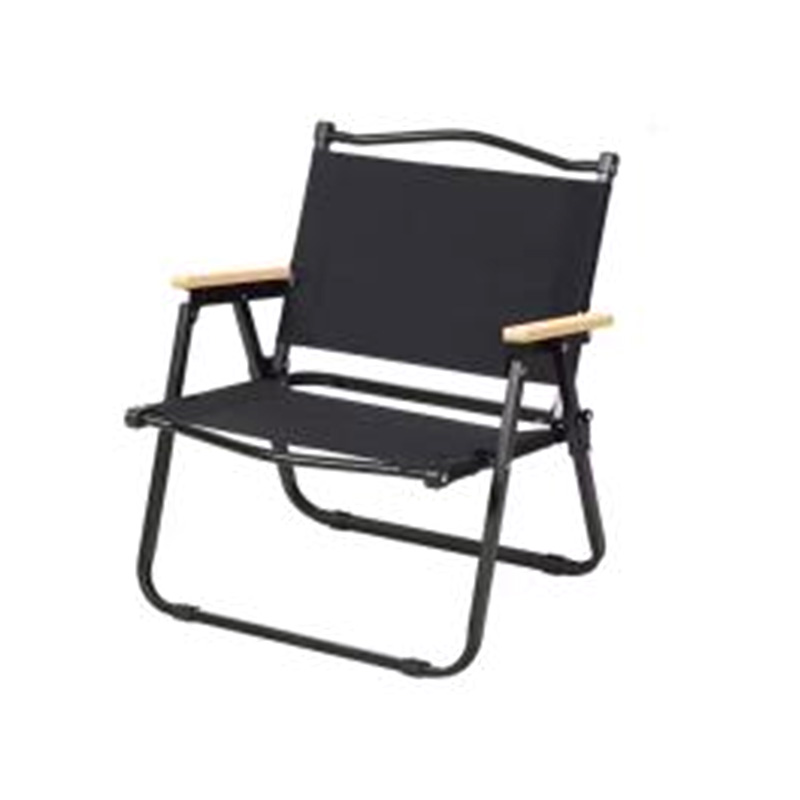
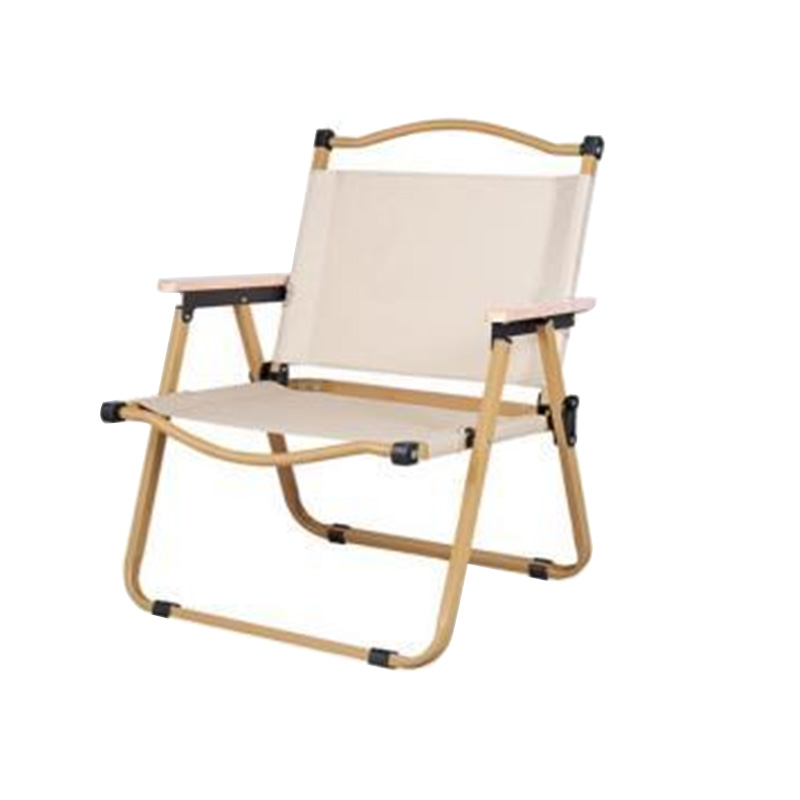
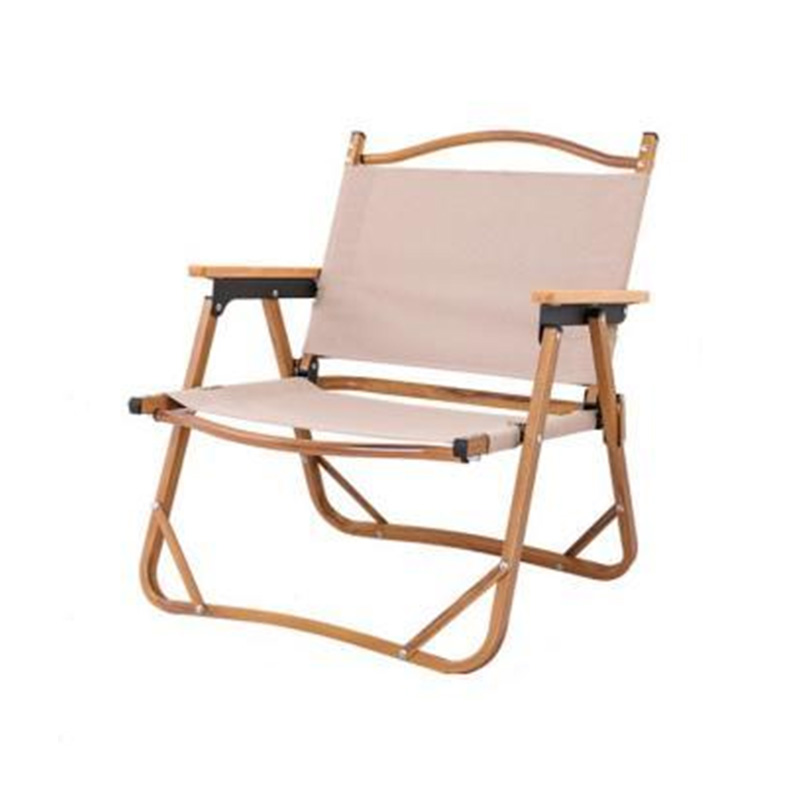
Outdoor Folding Chairs Ready for Any Plan
Posted by Admin
Manufacturers of outdoor folding chairs often begin product development with material selection. Aluminum alloys remain a common choice due to their lightweight structure and resistance to deformation. Steel frames still appear in certain models designed for higher load capacity, offering a different balance between weight and strength. Fabric components also vary, including polyester, Oxford cloth, and mesh materials, each selected for specific characteristics such as breathability, tensile strength, or visual appeal. The combination of these materials forms the foundation of product differentiation across brands.
In production facilities, cutting and forming processes shape the metal frames into compact folding structures. Automated bending machines ensure consistent angles and alignment, which are essential for stability once the chair is unfolded. Welding or rivet assembly connects key joints, allowing repeated folding without structural fatigue. Fabric panels are then cut and stitched with reinforced seams to withstand tension during use. Attention to stitching patterns helps distribute weight evenly, reducing stress on any single point.
Assembly lines bring together the frame and seating material, followed by quality checks that include load testing and repeated folding cycles. These steps aim to ensure that each chair can handle routine use without unexpected failure. Packaging design also plays a role, as many outdoor folding chairs include carrying bags or straps that make transportation easier for consumers who prioritize convenience.
Companies in this field are not only focusing on structural aspects but also exploring user-oriented features. Some models incorporate cup holders, side pockets, or adjustable armrests, adding functional value without significantly increasing complexity. Compact folding mechanisms have become more refined, allowing users to set up or collapse the chair within seconds. This simplicity appeals to a wide range of users, from casual picnickers to frequent campers.
Brand positioning in this market often emphasizes reliability and usability. Rather than relying on exaggerated claims, companies highlight measurable attributes such as frame thickness, fabric density, and folding size. This approach aligns with consumer preferences for clear and practical information. Some companies also differentiate themselves through design aesthetics, offering a range of colors and patterns that appeal to different tastes.
Production scale varies among manufacturers, from small workshops to large industrial operations. Larger facilities typically benefit from automated equipment that increases output consistency and reduces production time. Smaller manufacturers may focus on niche designs or customized orders, catering to specific market segments. Both approaches contribute to the diversity of products available in the outdoor folding chair market.
Market competition has encouraged continuous refinement in both design and manufacturing processes. Companies monitor user feedback to identify areas for improvement, such as seat height, backrest angle, or ease of folding. Adjustments based on these insights contribute to incremental product development, helping brands stay relevant in a crowded marketplace. Additional refinements often include subtle frame adjustments, improved joint stability, and smoother folding actions, all aimed at delivering a more consistent and user-friendly seating experience across different usage scenarios.
Outdoor folding chairs represent a category where practical design meets efficient production. Companies involved in this sector continue to refine materials, streamline manufacturing, and respond to consumer preferences without overcomplicating the product. The result is a range of chairs that fit into various lifestyles, offering a simple solution for portable seating across different environments.
Contact Us Now


Copyright@ 2024 Zhejiang Yayi Industry & Trade Co., Ltd. All Rights Reserved.

Outdoor Camping Products Factory