

 English
 中文简体
中文简体
 Español


Fireplace Tables Warm Up Outdoor Spaces
Posted by Admin
Product Design and Functional Appeal
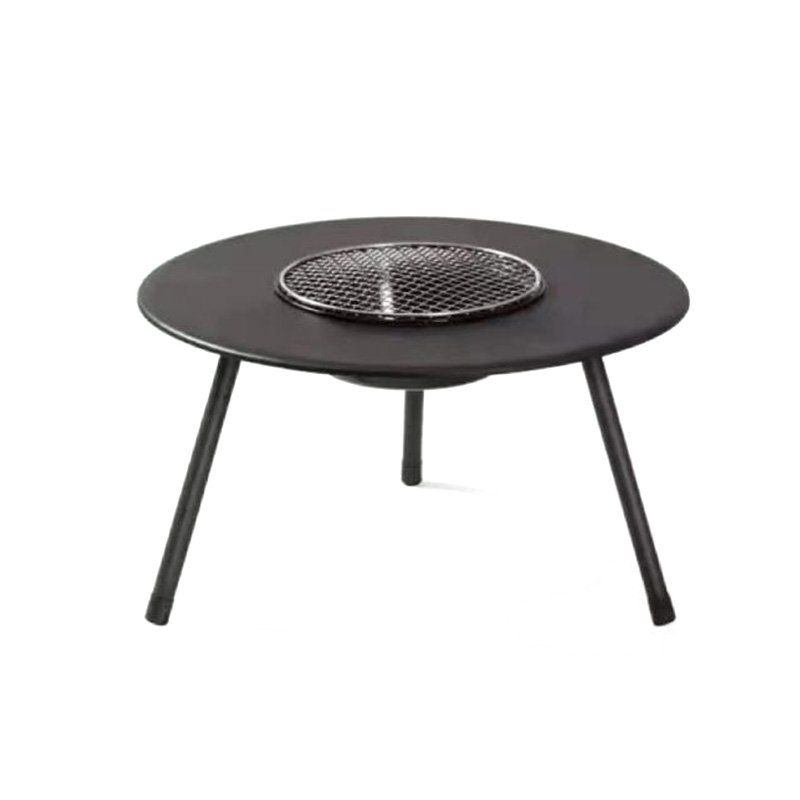
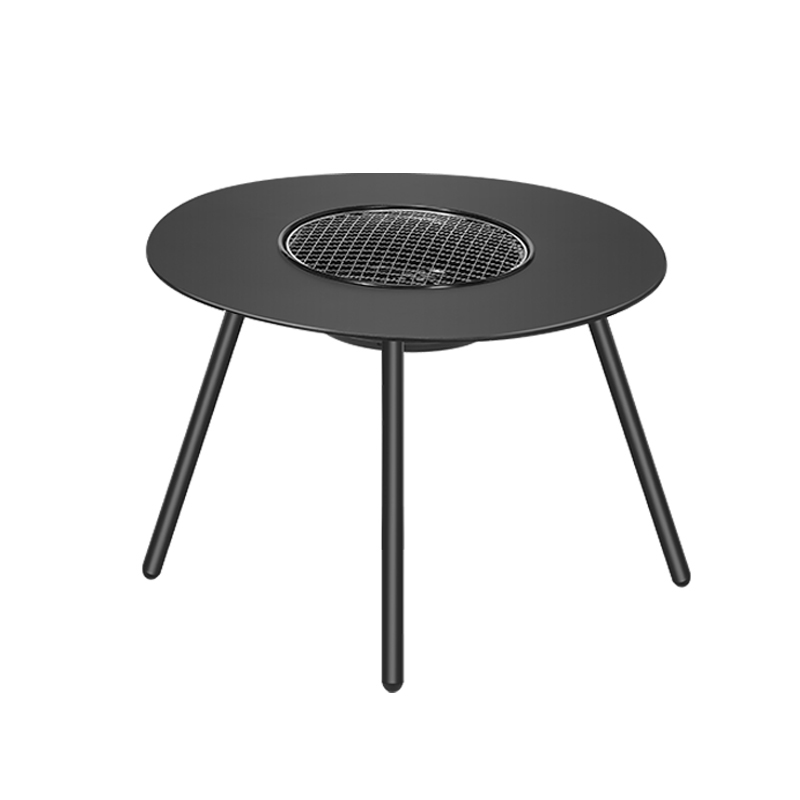
Fireplace tables have become a familiar sight in outdoor living spaces, combining the practical function of a table with the inviting atmosphere of a controlled flame. Companies in this segment are focusing on designs that balance visual appeal and usability, creating products that serve both as a centerpiece and a functional surface. The structure typically integrates a fire bowl at the center, surrounded by a flat tabletop area that can hold drinks, snacks, or decorative items.
Design variations range from compact square models suited for small patios to larger rectangular units intended for group gatherings. Materials such as steel, aluminum, and composite stone are commonly used to construct the frame and surface. Each material contributes to a different visual style, from industrial-inspired finishes to more natural textures that blend into garden settings. The flame feature itself is often enclosed within a protective frame, ensuring that the fire remains contained while still visible from multiple angles.
Manufacturing Processes and Material Selection
The production of fireplace tables involves several coordinated steps, beginning with material preparation and component fabrication. Metal frames are cut and shaped using precision equipment to ensure consistent dimensions across batches. Welding techniques are applied to secure structural joints, creating a stable base that supports both the tabletop and the integrated fire unit.
Surface finishing is another key stage in the process. Powder coating is commonly used on metal components to provide a smooth, even finish that resists scratches and maintains color consistency. For models that incorporate stone or ceramic surfaces, molding and curing processes shape the tabletop into its final form. These surfaces are then attached to the frame using mechanical fasteners or bonding techniques that ensure stability during use.
The fire component requires careful assembly, including the installation of burners, ignition systems, and fuel connections. Gas-powered fireplace tables often rely on propane tanks or natural gas lines, with regulators and valves controlling the flow of fuel. Each unit undergoes testing procedures to verify ignition reliability and consistent flame output. These checks are integrated into production workflows to maintain product consistency across different units.
Applications in Social and Commercial Settings
Fireplace tables are used in a variety of settings, from private backyards to commercial venues such as cafes, hotels, and event spaces. In residential environments, they serve as gathering points where family members and friends can sit together, creating a relaxed atmosphere during evenings. The combination of warmth and light contributes to a comfortable setting that encourages longer outdoor stays.
In commercial spaces, fireplace tables are often arranged in seating areas to enhance the overall ambiance. Restaurants and lounges use them to create defined zones within outdoor sections, offering guests a visually appealing place to sit. Event organizers also incorporate fireplace tables into temporary setups, using them to add both function and atmosphere to outdoor occasions.
Portability and setup considerations influence how these products are used in different contexts. Some models are designed for easy relocation, allowing users to adjust layouts based on the number of guests or the nature of the event. Others are intended for more permanent placement, becoming a fixed feature within a designed outdoor space.
Contact Us Now


Copyright@ 2024 Zhejiang Yayi Industry & Trade Co., Ltd. All Rights Reserved.

Outdoor Camping Products Factory