

 English
 中文简体
中文简体
 Español


Kermit Camping Chair Packs into a Bag for Travel
Posted by Admin
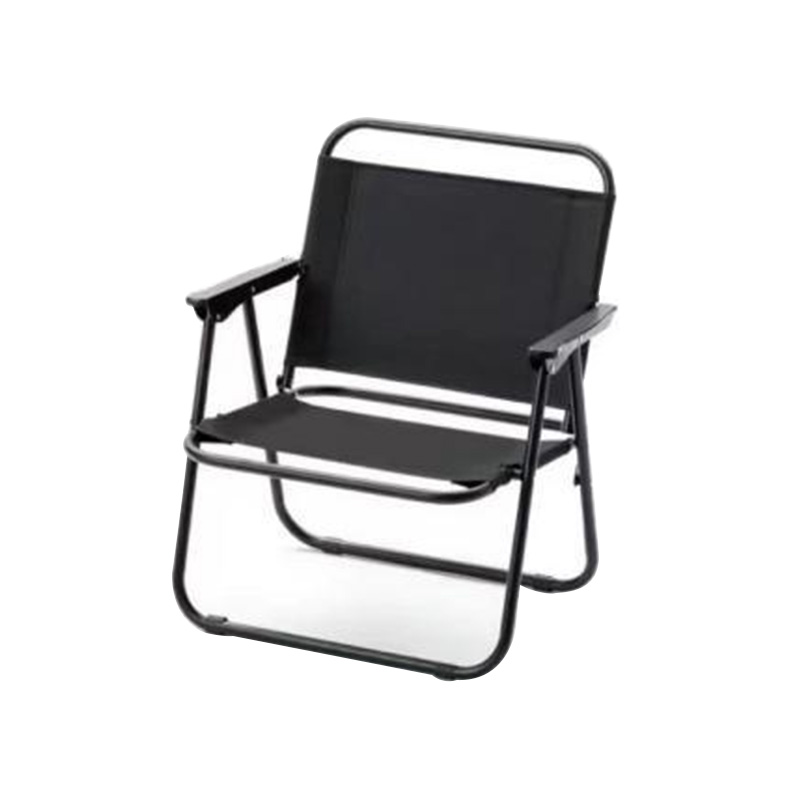
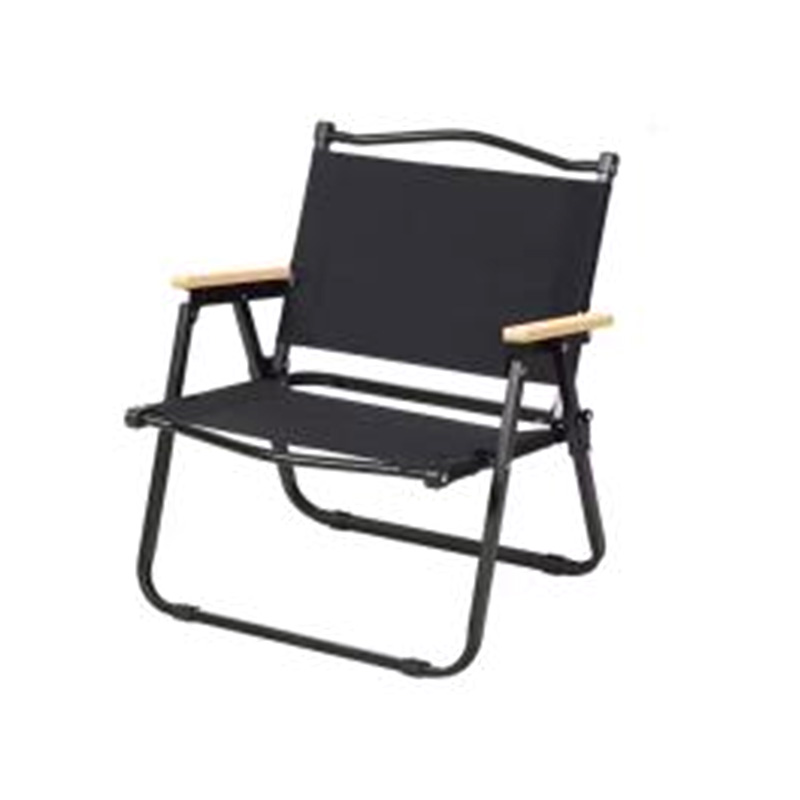
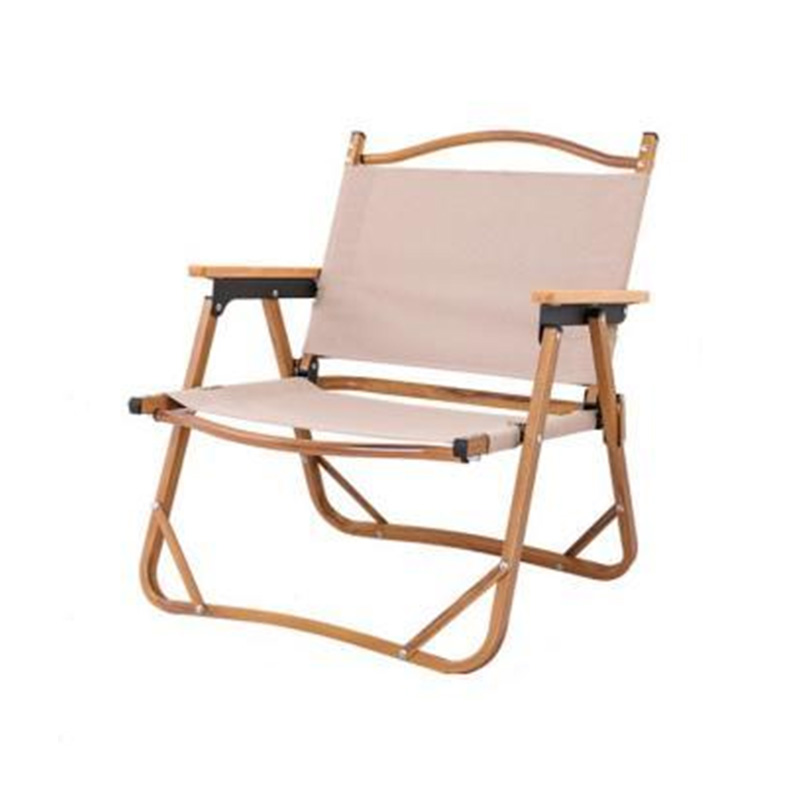
The Kermit camping chair has attracted steady attention across outdoor communities, retail channels, and manufacturing discussions, becoming a recognizable product in the portable seating category. Companies involved in producing this style of chair focus on combining compact structure, natural materials, and durable construction, creating a product that fits into a variety of outdoor settings without unnecessary complexity. Its recognizable wooden frame and fabric seat distinguish it from typical folding chairs, giving it a distinct identity in a competitive market.
Manufacturers working on Kermit camping chair designs often emphasize material selection as a core element of product identity. Hardwood is commonly used for the frame, offering a balance between strength and visual warmth. The natural grain of the wood contributes to the chair’s appearance, creating subtle variations between units. Fabric components are typically made from heavy-duty canvas or similar textiles, chosen for their ability to support weight while maintaining flexibility. Metal hardware, including bolts and connectors, plays a supporting role in ensuring structural integrity.
Production begins with the preparation of wooden components, which are cut into precise shapes using automated and manual tools. Each piece is sanded to achieve a smooth surface, reducing rough edges and ensuring a comfortable user experience. Drilling processes create openings for bolts and connectors, aligning each segment so the chair can be assembled and disassembled efficiently. This stage requires careful attention to measurements, as even minor inconsistencies can affect the folding mechanism and overall stability.
Fabric preparation follows a separate workflow, where textiles are cut according to standardized patterns. Reinforced stitching is applied along stress points, particularly where the fabric connects to the frame. This reinforcement helps distribute weight evenly across the seating surface. Color variations and design options may be introduced at this stage, allowing companies to offer different styles while maintaining a consistent structural base.
Assembly brings together wooden parts, fabric panels, and metal connectors. The chair’s structure relies on a system of interlocking components rather than permanent joints, enabling it to be taken apart and packed into a compact form. This feature appeals to users who prioritize portability, especially those traveling by car, motorcycle, or on foot. Once assembled, each unit undergoes inspection processes that include weight testing and repeated folding cycles to confirm functionality.
Companies producing Kermit camping chairs often position their products within a niche that values craftsmanship and distinctive design. Unlike mass-produced metal folding chairs, these models highlight the use of natural materials and a more traditional construction approach. Branding strategies may focus on storytelling elements related to outdoor experiences, craftsmanship, and simplicity. This positioning resonates with customers who appreciate products that combine utility with a sense of character.
The Kermit camping chair appears in a range of usage scenarios, from casual outdoor gatherings to organized events. Campers use it around fire pits, travelers carry it for roadside stops, and event organizers include it in seating arrangements that require both portability and visual appeal. Its combination of wood and fabric creates a different atmosphere compared to conventional folding chairs, contributing to its continued presence in outdoor settings.
Overall, the Kermit camping chair represents a product category where design identity and manufacturing precision come together. Companies involved in its production continue to refine processes, improve material consistency, and adapt to user feedback. The result is a portable chair that balances functionality and distinctive style, offering a practical seating option for a wide range of outdoor activities without unnecessary complexity.
Contact Us Now


Copyright@ 2024 Zhejiang Yayi Industry & Trade Co., Ltd. All Rights Reserved.

Outdoor Camping Products Factory