

 English
 中文简体
中文简体
 Español


Folding Camping Wagons Support Various Outdoor Activities
Posted by Admin
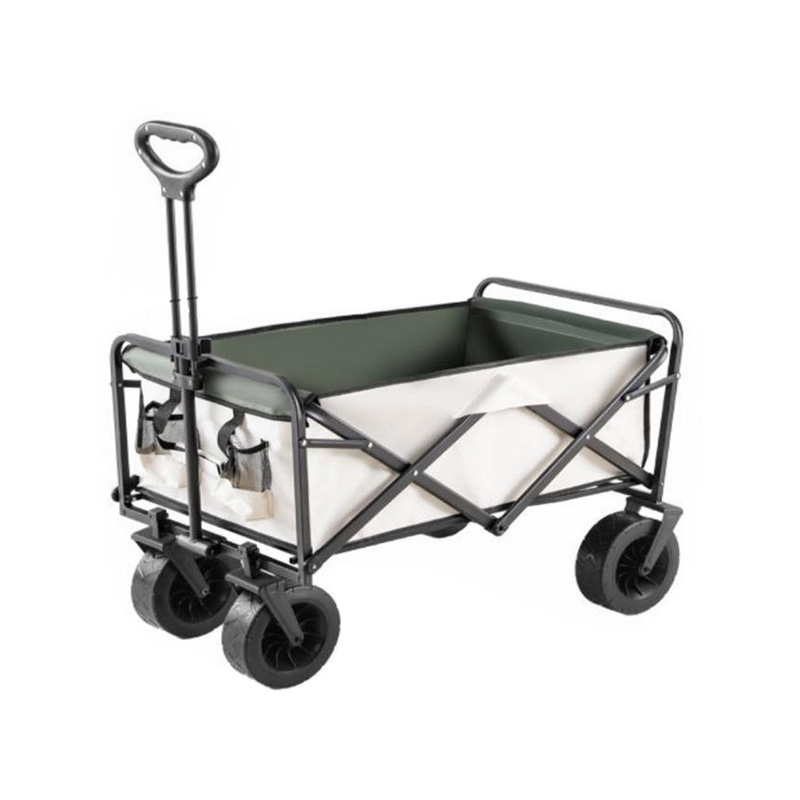
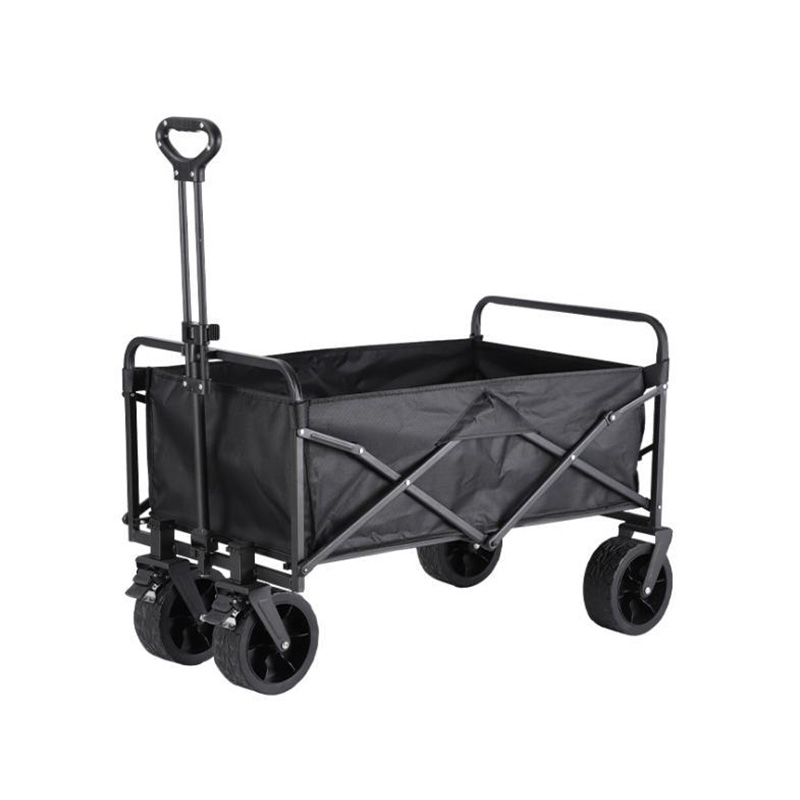
Folding camping wagons have become increasingly popular among outdoor enthusiasts, offering a practical solution for transporting gear efficiently. These wagons are designed to balance lightweight construction with durable materials, allowing users to move equipment, supplies, and personal items across a range of surfaces. The manufacturing process begins with careful selection of metals and fabrics that can withstand repeated use and exposure to different outdoor conditions. Steel frames or aluminum alloys are commonly used for their combination of strength and weight, providing a stable base while keeping the wagon manageable.
Fabric materials such as polyester or nylon are used for the wagon body. These fabrics are chosen for their ability to endure tension, resist tearing, and maintain shape under load. They are typically sewn or heat-bonded to create reinforced panels, pockets, and storage compartments. Some models include waterproof or water-resistant coatings, helping to protect cargo from unexpected spills or light rain. Each wagon undergoes a series of quality checks, ensuring that stitching, frame connections, and folding mechanisms operate reliably before leaving the factory.
The folding mechanism itself is a critical aspect of design and production. Hinges, pivot points, and locking mechanisms are engineered to allow quick and safe collapse and setup of the wagon. Manufacturers perform rigorous testing on these components, simulating repeated folding and unfolding cycles to ensure longevity. Smooth operation is achieved through precise machining of metal parts and careful alignment of moving components. Users benefit from these design choices, as the wagon can be folded in seconds and stored in compact spaces such as car trunks, closets, or camping tents.
Folding camping wagons also feature wheels designed to handle diverse terrains. Rubber or plastic tires are mounted on metal axles, with some models incorporating suspension systems to reduce vibrations and improve handling on uneven ground. Wheel size and tread patterns are selected to provide stability and traction, whether the wagon is used on sand, gravel, grass, or pavement. In many designs, wheels are removable or collapsible to further enhance storage convenience and portability.
In production facilities, safety and precision are critical. Each welding joint, bolt, and pivot point is inspected for structural integrity. Fabric panels are tested for resistance to stretching and abrasion, ensuring that the wagon maintains its shape and durability over time. Assembly lines are often organized to streamline the combination of metal frames, wheels, and fabric components, reducing production time while preserving quality. Factories may also offer modular designs, allowing parts such as wheels, handles, or storage attachments to be replaced or upgraded without requiring a completely new wagon.
Manufacturers continue to innovate in folding camping wagon design. Ergonomic handles, lighter materials, and easier folding systems improve user convenience, while maintaining structural strength and stability. The combination of durable frames, resilient fabrics, and versatile wheels allows these wagons to support a wide range of outdoor activities, including camping, picnicking, gardening, or beach trips. Consumers value wagons that are reliable, easy to transport, and capable of handling various loads and terrains efficiently.
Beyond personal use, folding camping wagons have applications in group or commercial settings. Event organizers, sports teams, and outdoor educators often use these wagons to transport supplies quickly across venues. The simplicity of setup and portability make them ideal for temporary setups, where repeated assembly and storage are required. Manufacturers design wagons to withstand frequent handling in these contexts, ensuring consistent performance and user satisfaction.
Contact Us Now


Copyright@ 2024 Zhejiang Yayi Industry & Trade Co., Ltd. All Rights Reserved.

Outdoor Camping Products Factory