

 English
 中文简体
中文简体
 Español


How Do Pipe Roll Up Camping Tables Set Up in Minutes?
Posted by Admin
Pipe Roll Up Camping Tables Bring Portable Surfaces to Outdoor Sites
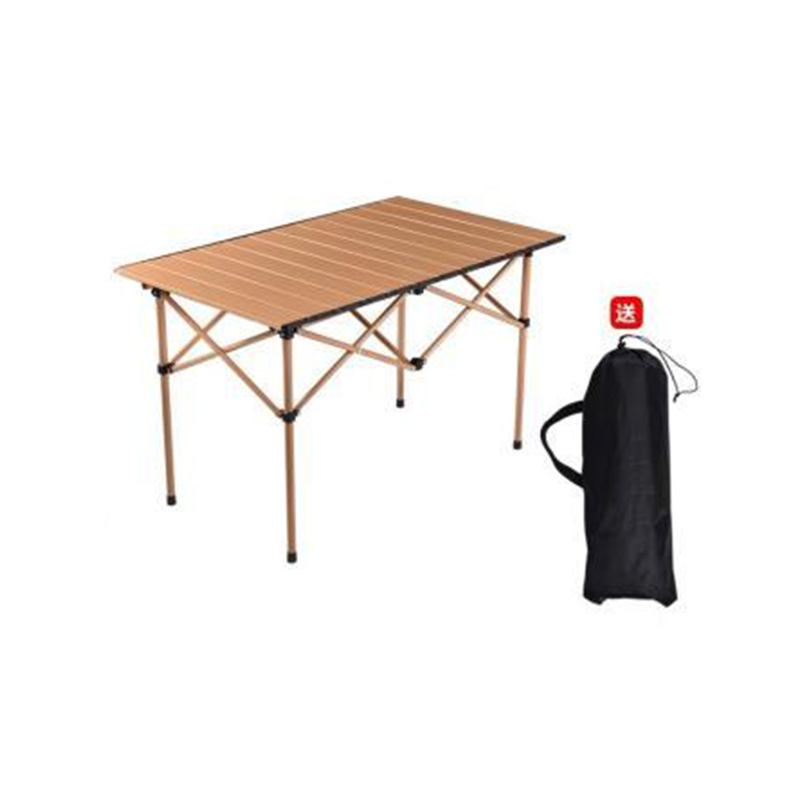
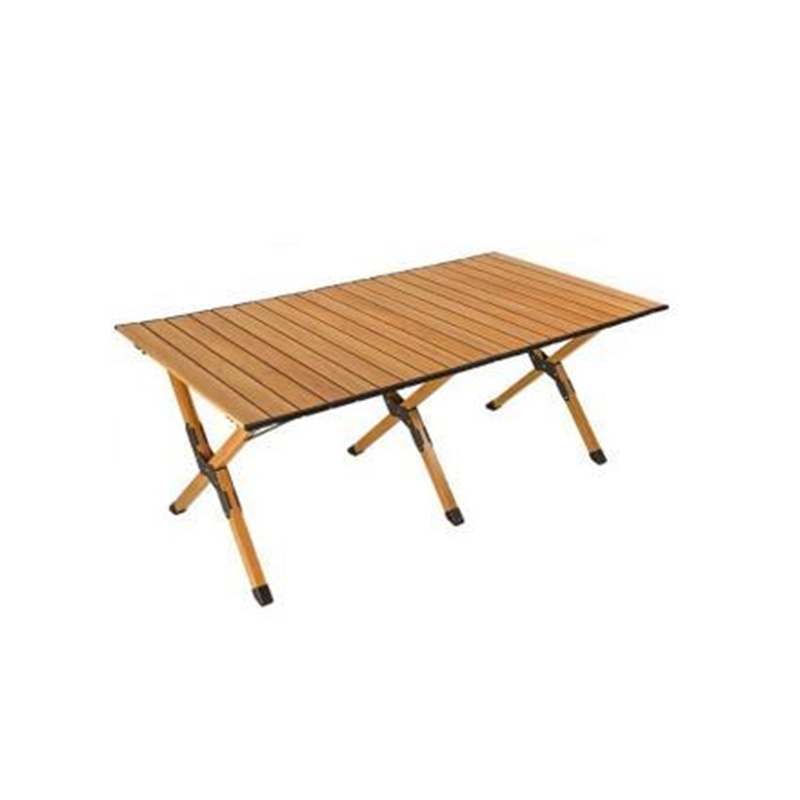
Pipe roll up camping tables have gained attention among people who head outdoors for weekends or longer stays. These tables feature a design that allows the top surface to roll tightly for storage while the supporting frame uses pipe sections that connect during setup. Campers often look for items that pack small yet provide usable space once they reach the site, and this style addresses that need with a combination of rollable materials and pipe-based legs.
The concept draws from simple engineering ideas seen in various portable furniture. Manufacturers produce versions with aluminum pipes or similar lightweight tubing that form the legs and cross supports. The tabletop typically consists of connected slats or a flexible sheet that rolls around the frame parts when disassembled. This approach results in a bundle that slides into a carry bag, making transport easier for vehicle trips, short hikes, or group outings.
Materials Used in Pipe Roll Up Camping Tables
Construction of pipe roll up camping tables centers on durable yet light components. Aluminum pipes appear frequently in the frame, offering strength without adding much weight to the packed size. Some models use square tube sections for added stability at the joints, while others rely on round pipes that slide or lock into place. The pipes connect through simple mechanisms such as push buttons, threaded ends, or quick-release fittings that allow assembly without extra tools in many cases.
The rolling top often involves aluminum slats linked together or a reinforced fabric surface that wraps around the bundled pipes. These materials stand up to repeated rolling and unrolling during typical use. Hardware elements like connectors and height-adjustment parts help the table adapt to different ground conditions at campsites. Overall, the combination keeps the total weight low enough for one person to carry the packed table comfortably.
Production happens through standard processes in facilities that handle metal tubing and fabric assembly. Pipes get cut to specific lengths, then drilled or fitted with connection points. Surface treatments on the aluminum help resist marks from outdoor exposure. The rolling mechanism receives attention during manufacturing to ensure the top moves smoothly without catching on the frame parts.
Set Up Process for Pipe Roll Up Camping Tables
Setting up pipe roll up camping tables follows a straightforward sequence that suits arrival at a campsite. Users unroll the tabletop section and lay it flat on the ground. Next, they insert the pipe legs into designated sockets or attach them with the provided connectors. Many designs include telescoping or adjustable pipe sections that let the height change to match different seating arrangements or terrain slopes.
Cross braces made from additional pipe pieces add rigidity once the legs stand upright. These supports clip or slide into position, creating a stable platform. The entire process often takes a few minutes, even for someone handling the table alone. Height options on some models range from lower coffee-table style to standard dining height, giving flexibility for meal prep, card games, or placing gear.
Taking the table down reverses the steps. Users remove the braces and legs, then roll the top tightly around the pipe bundle. Straps or the carry bag secure everything in place. The compact form fits alongside tents, coolers, or other gear in a vehicle or on a cart. This cycle of roll, set, and roll again supports repeated use across different locations without complicated procedures.
Contact Us Now


Copyright@ 2024 Zhejiang Yayi Industry & Trade Co., Ltd. All Rights Reserved.

Outdoor Camping Products Factory