

 English
 中文简体
中文简体
 Español


Kermit Camping Chair Setup Tips for Stress-Free Camping
Posted by Admin
The Kermit camping chair has become a familiar sight at campsites and outdoor events. This portable seating option folds into a compact form, making it suitable for transport in various conditions. Campers and outdoor enthusiasts often include it in their gear lists for its straightforward design and practical size.
Construction Details of the Kermit Camping Chair
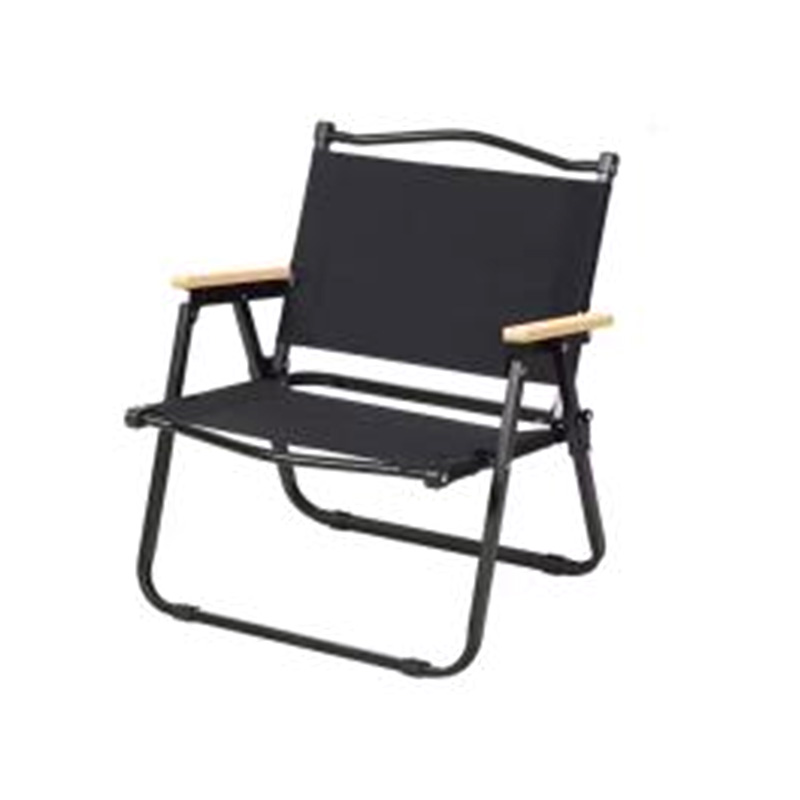
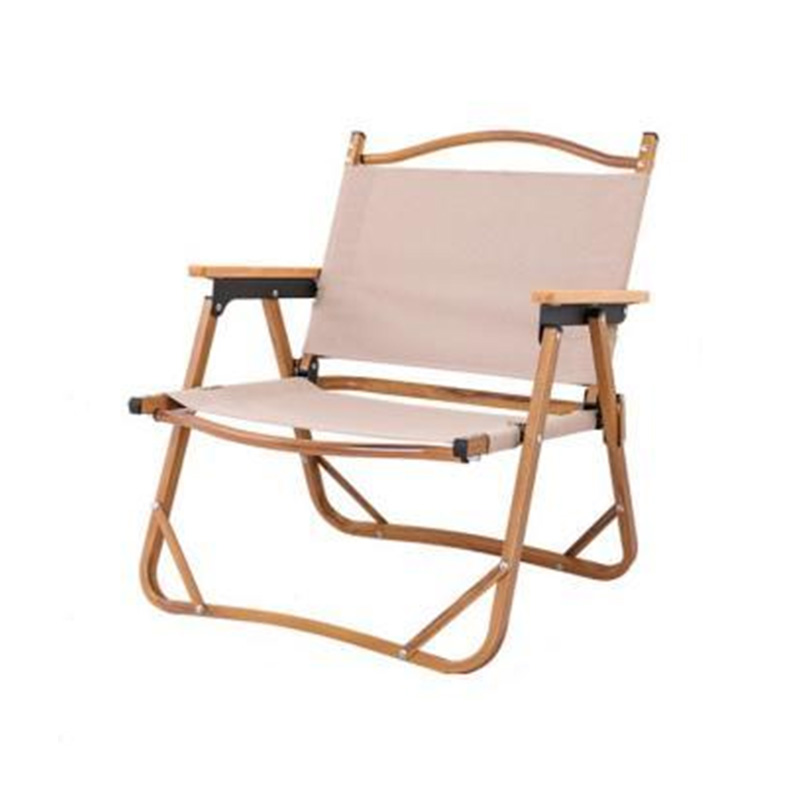
The frame of the Kermit camping chair typically uses wooden elements that connect through hinges and supports. Fabric material stretches across the frame to form the seating surface. This combination creates a structure that holds weight distribution in a balanced manner.
Assembly involves unfolding the legs and backrest into position. The process takes little time once familiar with the mechanism. The chair's overall dimensions when open support standard adult seating postures.
Transport and Setup in Camping Scenarios
Packed dimensions allow the Kermit camping chair to slide into vehicle trunks or attach to backpack frames. Straps or carry handles on some versions simplify movement from one location to another.
At the campsite, users spread the chair on selected spots near tents or gathering areas. The folding action reverses easily for storage when breaking camp. This cycle fits into routines of arrival and departure.
Usage During Daytime Activities
Daytime hours at camp often include reading, preparing food, or observing surroundings. The Kermit camping chair positions users at a height suitable for these tasks. Armrests on certain models offer additional support for hands during extended sitting.
In group settings, several chairs arranged together create conversational circles. Placement near cooking stations or viewing points adds convenience to daily flow.
Evening Gatherings and Relaxation
As daylight fades, many campers shift to fireside activities. The Kermit camping chair holds up during these sessions, with its frame accommodating shifts in position. The fabric surface allows some air circulation, which users note during warmer conditions.
Stories and shared meals gain from comfortable seating arrangements. The chair's stability contributes to relaxed interactions without frequent adjustments.
Adaptation to Different Outdoor Locations
Forest campsites with leaf-covered ground benefit from the chair's footprint, which distributes weight to avoid sinking. Open field setups allow quick repositioning as sun angles change throughout the day.
Coastal or lakeside areas see the chair used on firmer sand or grassy patches. Its design handles transitions between these surfaces during typical trips.
Pairing with Standard Camping Equipment
Tents, sleeping bags, and portable tables often accompany the Kermit camping chair in a full setup. The chair's compact nature leaves room for other items in storage compartments. Coordination with coolers or lanterns creates functional zones at the site.
During hikes, some users carry the chair to rest points along trails. Its weight supports inclusion without major changes to pack loads.
Observations from Repeated Outdoor Use
Campers who return to the same locations often rely on consistent gear choices. The Kermit camping chair appears in many such repeat setups, supporting routines across seasons. Adjustments in positioning help match varying weather patterns encountered outdoors.
Solo travelers value the chair for personal space creation. Families and larger groups use multiple units to accommodate everyone in shared areas.
Variations in Chair Configurations
Different versions of the Kermit camping chair offer adjustments in frame length or fabric patterns. These options allow users to select based on body size or color preferences that match their other equipment.
Some include minor modifications like attached pockets for small items. These features integrate into daily use without altering the core folding function.
Contact Us Now


Copyright@ 2024 Zhejiang Yayi Industry & Trade Co., Ltd. All Rights Reserved.

Outdoor Camping Products Factory