

 English
 中文简体
中文简体
 Español


Folding Camping Wagon Essentials Explained
Posted by Admin
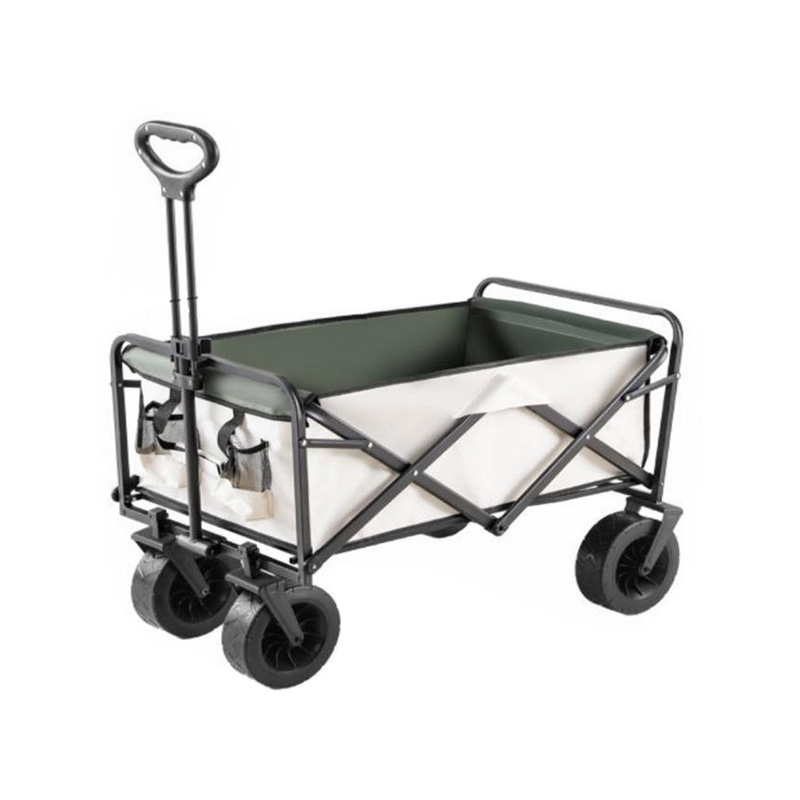
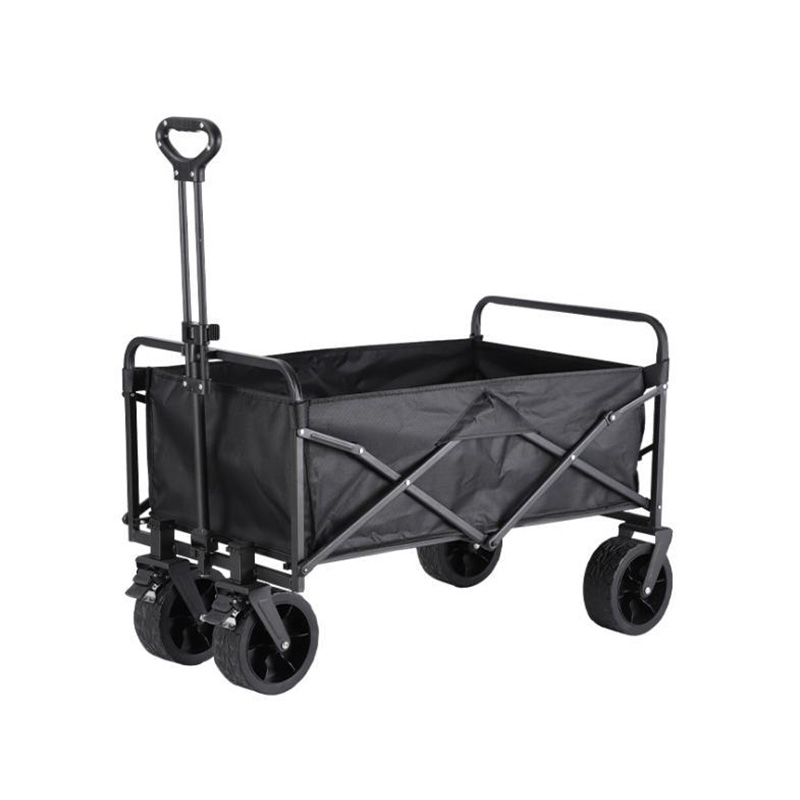
Folding camping wagons are collapsible, four-wheeled utility carts built specifically for hauling gear across terrain that a standard wheeled bag or hand truck can't handle. They fold down flat — or into a compact shape — for transport and storage, then pop open in seconds when you need them. The basic concept is simple, but the execution across different models varies enough that it's worth understanding what the design choices actually mean in practice.
The frame is the thing that separates wagons that hold up from ones that don't. Steel frames are heavier but handle rough ground and serious loads without flexing or wobbling. Aluminum frames save a few pounds — which matters when you're already lifting the wagon in and out of a truck bed — but they can feel less planted when fully loaded on uneven terrain. Most folding camping wagons rated for 150 lbs or more use steel for that reason, even if it adds to the overall weight of the unit. For families carrying coolers, firewood, tent bags, and camp chairs in a single trip, the load rating matters more than the carry weight of the wagon itself.
Six-inch wheels handle pavement and gravel well enough, but they struggle when the second terrain gets soft. Bigger wheels in the 10–12 inch range deal with sand, mud, and uneven ground far better. Some wagons use air-filled tires instead of solid ones — more comfortable over bumps, but they do need occasional inflation.
The fabric bed of the wagon — what actually holds your gear — is typically made from 600D polyester Oxford cloth, though higher-end versions use heavier 900D material that resists abrasion and puncture more reliably. The bed depth matters too. A shallow wagon is easy to load and unload but can't carry tall or bulky items without things sliding around. Deeper beds with removable side panels give more versatility: use the full depth for loose items like sleeping bags and clothing, drop the panels down for easier access to flat, heavy gear like coolers or toolboxes. A few folding camping wagons include a mesh cover or canopy attachment as well, which comes in useful for beach trips or when you need to keep gear out of direct sun during a long festival day.
Beyond camping, folding camping wagons have found a second life at farmers' markets, sports sidelines, beach days, and outdoor concerts — anywhere that involves moving more than one trip's worth of stuff across open ground. That crossover utility is probably why the category has grown steadily; it's not really a camping-specific product anymore, even if that's still where people think to use one.
Sizing is the last practical variable. A compact folding camping wagon with a bed around 32 by 18 inches handles a couple of camp chairs and a cooler without drama. Larger models stretching to 40 by 22 inches or more can carry a week's worth of gear for a family, but they also take up more trunk space and are harder to maneuver in tight spots. Knowing roughly what you'll carry often — and how much vehicle space you have — narrows the choice quickly and saves the trouble of buying something that technically fits your needs but turns out to be annoying to live with.
Contact Us Now


Copyright@ 2024 Zhejiang Yayi Industry & Trade Co., Ltd. All Rights Reserved.

Outdoor Camping Products Factory