

 English
 中文简体
中文简体
 Español


How Strong Are Pipe Roll Up Camping Tables Really?
Posted by Admin
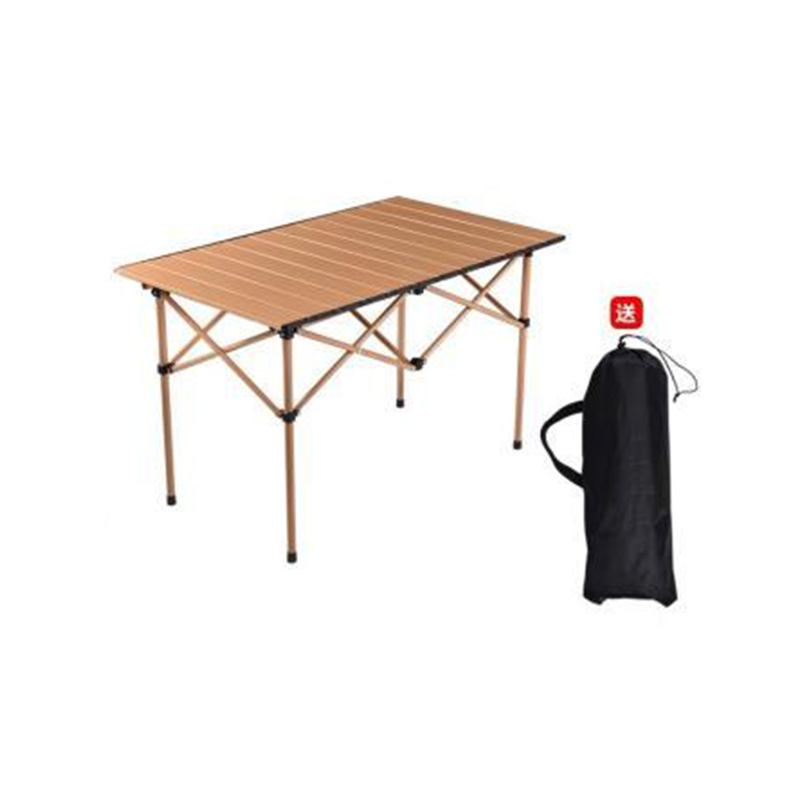
Pipe roll up camping tables are everywhere in campsites, on fishing trips, at backyard barbecues, and on job site break areas. The concept is simple — a tabletop surface attached to a metal pipe frame that rolls up into a bundle for carrying. The simplicity of the idea doesn't mean all versions are built the same way. Material choices and engineering details affect how the table performs depending on where and how it gets used.
The frame uses aluminum or steel tubing as the backbone. Aluminum is lighter — easier to carry — which matters if portability is the whole point. Steel is stiffer and handles heavier loads without bending, but it weighs more. The diameter and thickness of the tubing determine how much load the frame can take before it starts to deflect noticeably. A frame using 25mm tubing with 1.2mm walls handles maybe 30 to 50 kilograms spread across the surface without drama. Heavier-duty frames use larger tubing or thicker walls when more load capacity is needed.
The tabletop surface is where the real variation shows up. Options include:
- Polyester mesh fabric: Lightweight, lets water drain through, dries fast; common in cheaper models; less rigid than solid surfaces
- Canvas or cotton blend: Thicker and more durable than polyester; heavier; better for regular rough use
- MDF or plywood with fabric backing: Provides a solid work surface; reasonably portable; heavier than fabric-only designs
- Aluminum or steel sheet: Heavy, rarely seen in camping tables; shows up in commercial-grade equipment where durability matters more than carrying it around
- Rubber or vinyl coated fabric: Combines fabric lightness with water resistance and some stiffness; moderate durability
The tabletop attaches to the frame using webbing straps or adhesive. Strap attachment lets you replace a worn tabletop without scrapping the whole frame. Adhesive bonding is simpler to manufacture but makes replacement a hassle if the surface wears out.
The rolling mechanism — what gives this product category its name — works by designing the frame to collapse or slide together lengthwise, allowing the whole thing to roll up into a cylinder with the tabletop wrapped around it. Quality matters here. A well-designed system compresses and extends smoothly. A poorly engineered one takes excessive force to compress or won't stay compressed during transport.
Stability depends on frame geometry and how far the legs spread when the table is set up. A wide stance resists tipping better than a narrow one. Lower tables with wide bases are inherently more stable than tall, narrow designs. Tables intended for uneven ground need frame geometry that finds stable contact even when the legs aren't all touching level ground. Some models have adjustable feet to handle minor unevenness.
Carrying cases and storage bags vary. A basic nylon bag with handles works fine for occasional use. A padded case with shoulder straps or a wheel kit makes frequent transport easier. Case construction quality matters — cheap bags split at the seams or have zippers that fail quickly.
Weight capacity specifications can be misleading. A table rated for 30 kilograms distributed across the surface handles that load evenly spread out. Someone leaning on the edge or concentrating weight at one point can exceed the design limits even if the total weight is technically within spec.
Material durability matters if the table stays outside through seasons. Aluminum resists corrosion in climates, though salt water accelerates oxidation. Steel needs paint or powder coating to fight rust; bare steel corrodes quickly in moisture. Fabric surfaces degrade under constant UV exposure, especially polyester and cotton without UV stabilization. Better Pipe roll up camping tables use UV-resistant dyes in the fabric to slow that degradation.
Contact Us Now


Copyright@ 2024 Zhejiang Yayi Industry & Trade Co., Ltd. All Rights Reserved.

Outdoor Camping Products Factory