

 English
 中文简体
中文简体
 Español


Folding Camping Chairs Continue Evolving With Outdoor Living
Posted by Admin
Outdoor recreation habits have changed noticeably in recent years, and folding camping chairs are evolving alongside them. What was once considered a simple piece of camping equipment has become a more specialized product category shaped by portability, comfort, durability, and multi-use design. Manufacturers are responding by developing lighter frames, compact folding systems, and materials designed to handle extended outdoor exposure.
Folding Camping Chairs Are No Longer Just Basic Camp Equipment
Traditional folding camping chairs were often built around a simple steel frame and a fabric seat. They were functional but bulky, relatively heavy, and not especially comfortable during long periods of use.
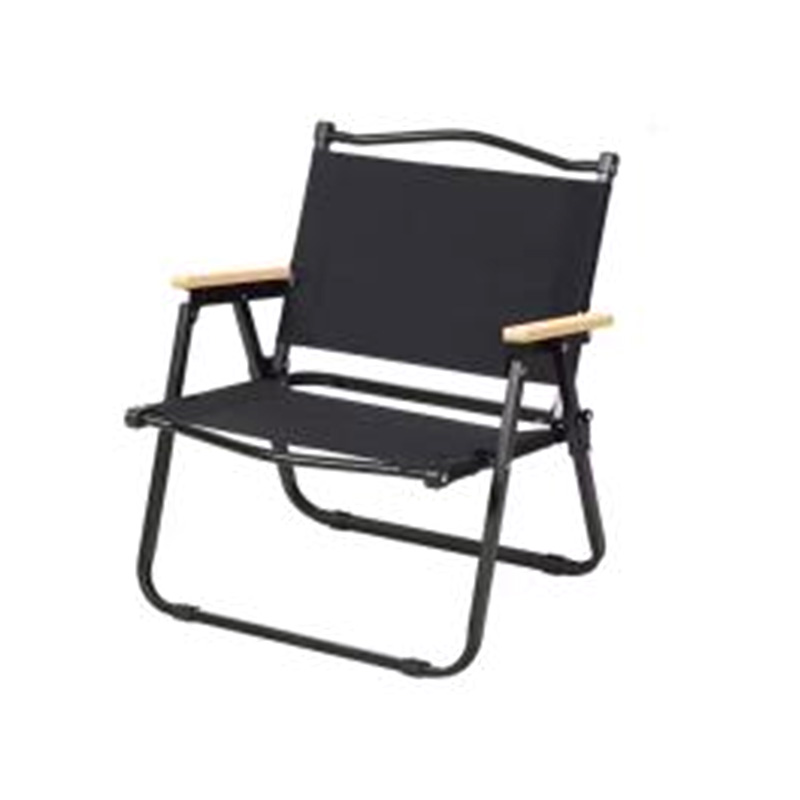
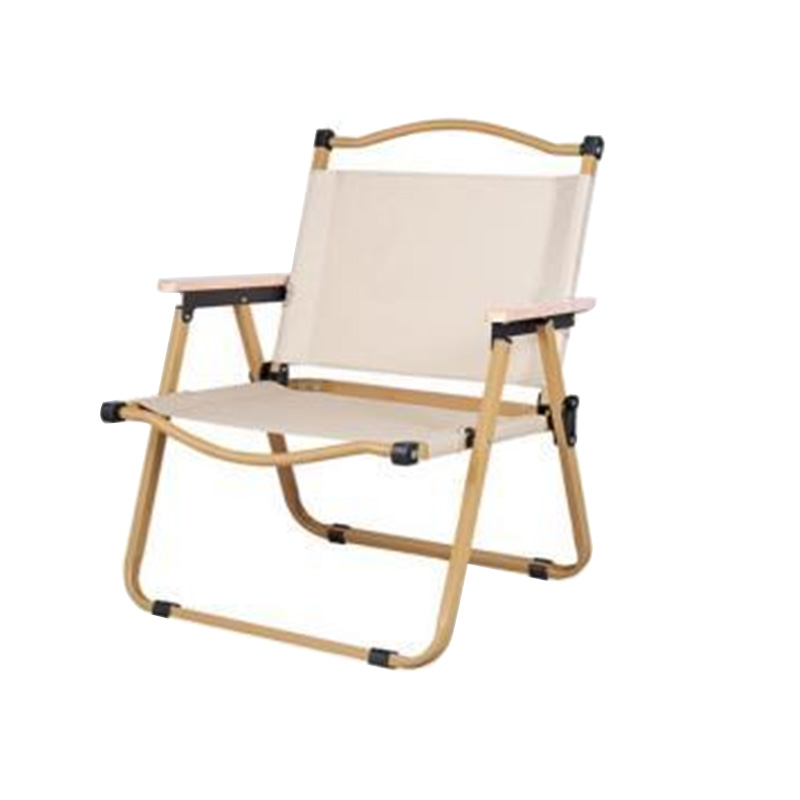
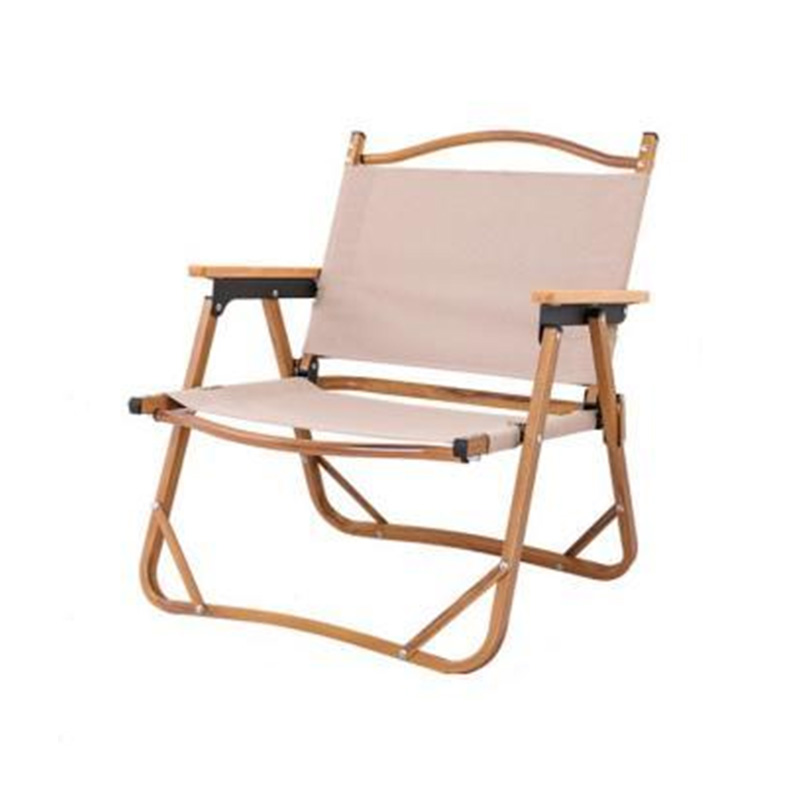
Current designs focus more heavily on portability and storage efficiency. Many newer folding camping chairs use aluminum alloy frames to reduce weight while maintaining structural stability. Some compact models now fold down small enough to fit inside backpacks or motorcycle storage compartments.
The market has also diversified into several product categories. Outdoor activities are becoming more varied. Consumers are paying closer attention to chair weight, folded dimensions, and ease of transport.
Material Choices Are Influencing Durability and Comfort
Material selection plays a major role in how folding camping chairs perform outdoors. Manufacturers are balancing lightweight construction with weather resistance and long-term durability.
Frame materials commonly include powder-coated steel and aluminum alloy. Steel frames are generally associated with higher weight capacity and lower production cost, while aluminum options are lighter and easier to carry over longer distances.
Fabric technology has also improved. Oxford fabric, polyester mesh, and reinforced ripstop materials are widely used because they resist tearing while allowing airflow during hot weather conditions.
Ventilated mesh panels have become increasingly common in warm-climate products. These panels improve breathability and reduce heat buildup during extended outdoor use.
Some manufacturers are also adding reinforced stress points around armrests, seat corners, and folding joints, which are areas that experience repeated load pressure during use.
Compact Folding Designs Are Receiving More Attention
One of the major trends in folding camping chairs involves compact storage systems. Consumers traveling in smaller vehicles or carrying equipment over long distances often prioritize portability over larger seating structures.
Hub-style folding systems and shock-cord frame assemblies are becoming more common in lightweight chair designs. These systems allow the frame to collapse into shorter sections, reducing storage size significantly.
Quick-fold mechanisms are also attracting interest. Users increasingly expect chairs to open and collapse within seconds without complicated assembly steps.
Storage bags with shoulder straps, compression designs, and integrated carrying handles are now standard features across many product categories.
For outdoor travelers managing limited cargo space, compact design has become nearly as important as seating comfort itself.
Folding Camping Chairs Continue Adapting to Changing Outdoor Habits
The folding camping chair market is shifting alongside broader changes in travel, recreation, and portable outdoor living. Consumers are looking for products that balance comfort, portability, durability, and convenience without adding unnecessary bulk.
Camping styles continue to diversify—traditional campgrounds, lightweight trekking, vehicle-based travel. Manufacturers adjust product designs to fit a wider variety of outdoor situations.
Although folding camping chairs remain a relatively simple product on the surface, the design and material decisions behind them continue evolving with modern outdoor lifestyles.
Contact Us Now


Copyright@ 2024 Zhejiang Yayi Industry & Trade Co., Ltd. All Rights Reserved.

Outdoor Camping Products Factory